Delta Pod
Delta Pod
Product & Speculative Design
context
Speculative future mobility project
Future mobility is often designed around efficiency, speed, and technology, while emotional experience is treated as secondary. At the same time, mobility strongly affects: • Wellbeing • Stress levels • Sense of control and comfort
methods
Emotional research · Surveys · Speculative design · Scenario building · Concept development
How might future mobility services be designed around emotional needs - not just movement?
outcome
A future mobility service concept translating emotional insights into a multi-sensory transport experience
How might future mobility services be designed around emotional needs - not just movement?
the challenge
Future mobility is often designed around efficiency, speed, and technology, while emotional experience is treated as secondary. At the same time, mobility strongly affects: • Wellbeing • Stress levels • Sense of control and comfort
design question
How might future mobility services be designed around emotional needs - not just movement?
key insights
Emotions shape everyday rituals: Research showed that everyday experiences (like drinking coffee) are closely linked to emotions such as comfort, wellbeing, and calm. Mobility is an emotional experience: Movement through space is never neutral - it influences stress, perception of time, and sense of safety. Future systems will be interconnected: Mobility will increasingly be managed through integrated systems rather than individual modes of transport.
Future mobility is often designed around efficiency, speed, and technology, while emotional experience is treated as secondary. At the same time, mobility strongly affects: • Wellbeing • Stress levels • Sense of control and comfort
the concept
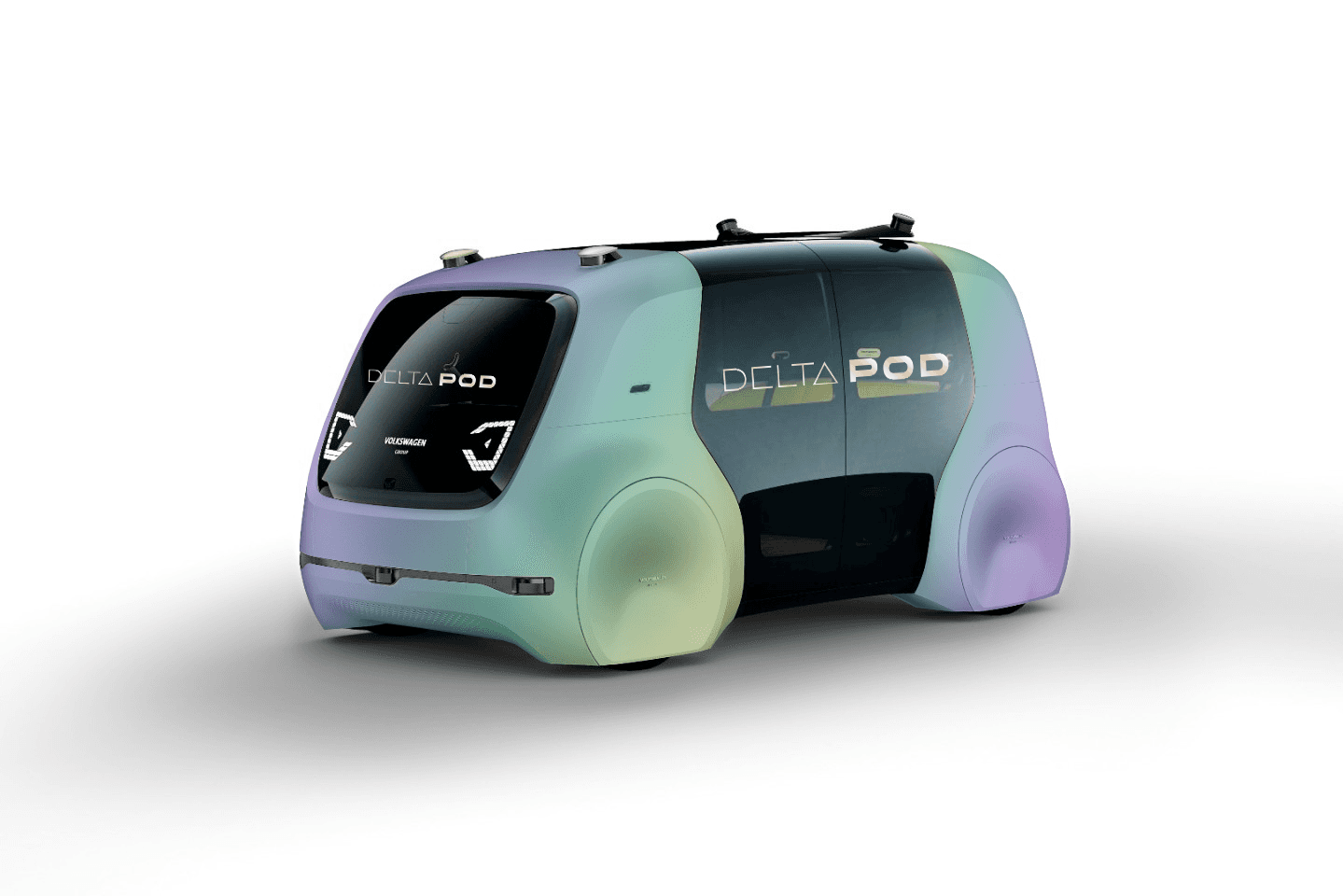
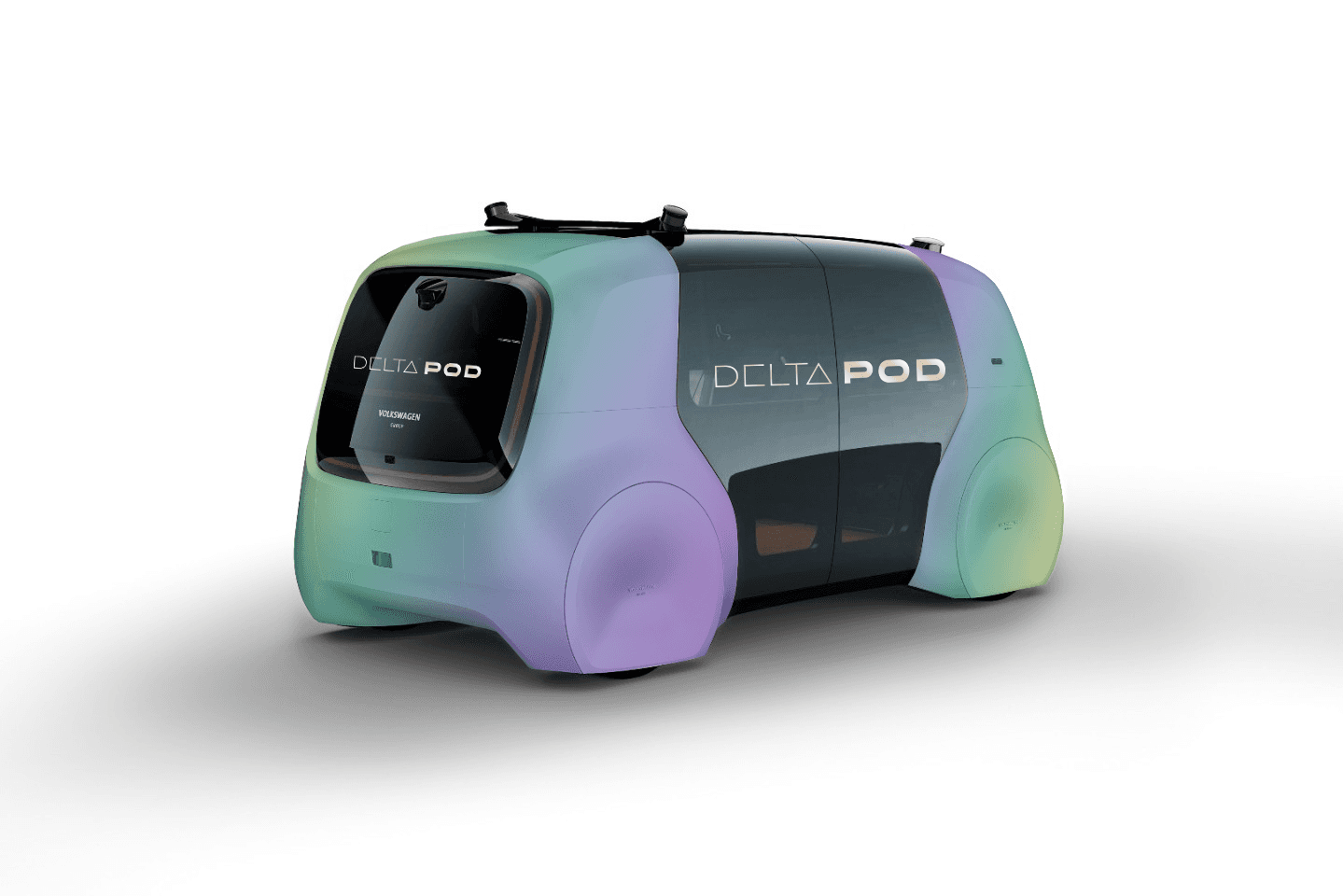
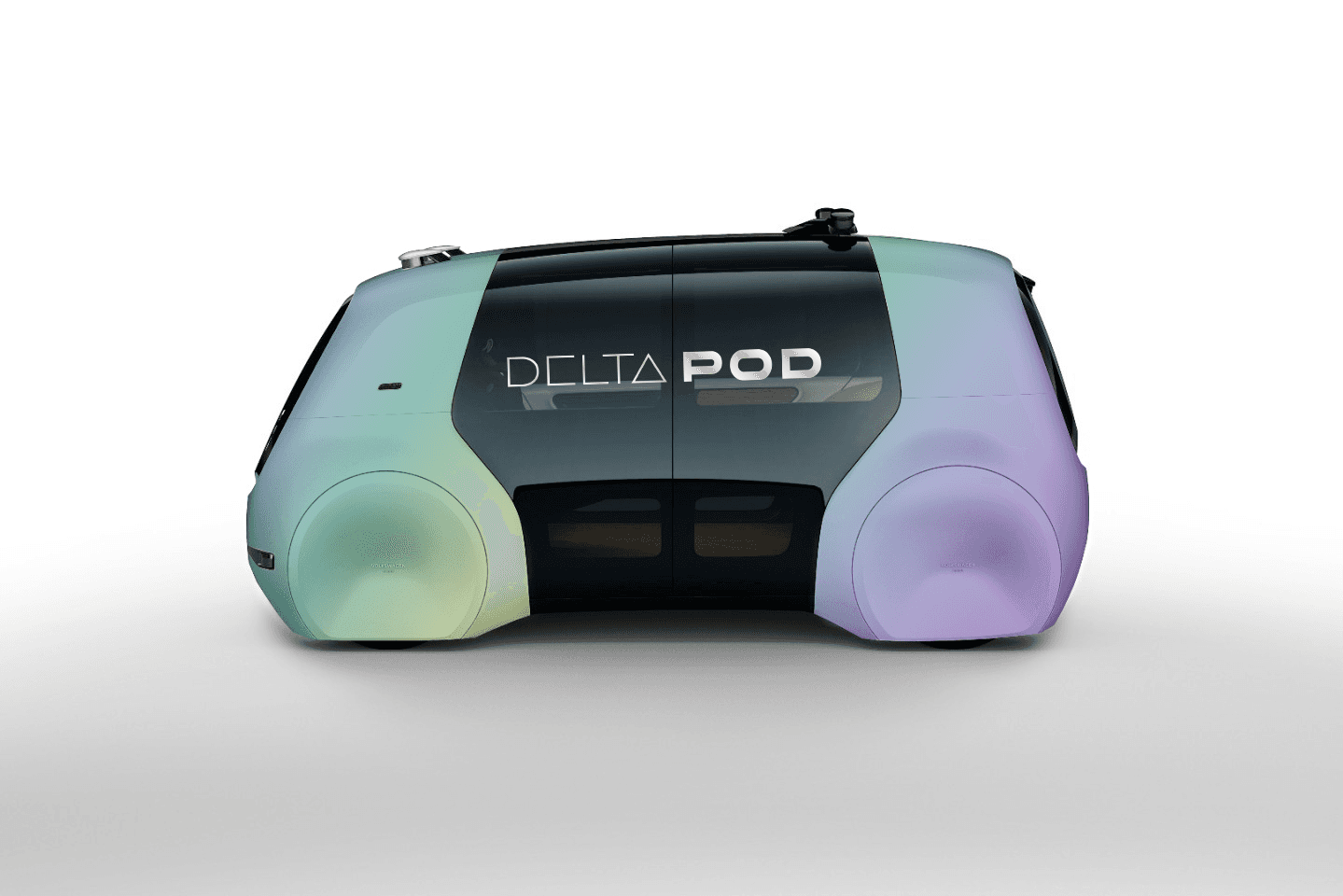
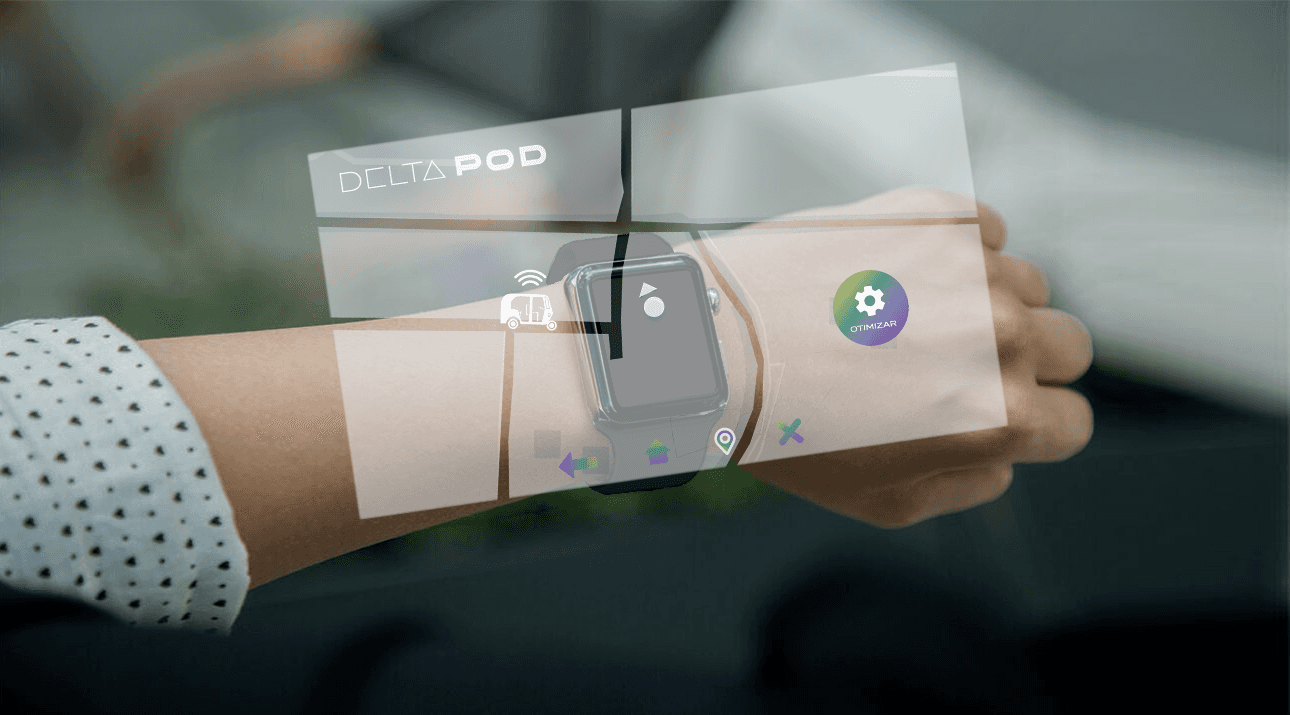
Delta Pod - an emotion-led mobility service for the future A speculative autonomous transport service inspired by the emotional qualities associated with coffee: comfort, tranquillity, and pause. Instead of optimising for speed, the service is designed to optimise for experience. Key characteristics: • Autonomous, electric pod vehicles • Individual or shared use (up to 4 people) • Booked and monitored via a personal wearable device • Powered by solar energy Multi-sensory environment: • Nature visuals inspired by coffee-growing landscapes • Sound and scent to enhance relaxation • Calm, enclosed space designed as a moment of pause The journey becomes a restorative experience, not just a transfer.
How might future mobility services be designed around emotional needs - not just movement?
value created
Users: Reduced stress · emotional comfort · improved travel wellbeing Mobility systems: Shift from efficiency-only thinking to experience-led design Design exploration: Demonstrates how emotional insight can inform future service ecosystems
How might future mobility services be designed around emotional needs - not just movement?